How Exterior Plumbing Systems Help Prevent Backflow Contamination
Backflow is a serious plumbing issue that can affect the safety of your home’s water supply. It happens when water flows in the wrong direction, allowing contaminated water to enter clean water lines. Exterior plumbing systems play an important role in preventing backflow and protecting water quality.
For homeowners in Billings and Laurel, understanding backflow prevention is essential for maintaining a safe and reliable plumbing system.
What Backflow Is
Backflow occurs when water reverses direction in a plumbing system.
Instead of flowing from the main water supply into your home, water flows backward into clean lines.
This can allow fertilizers, dirt, chemicals, or wastewater to enter the drinking water system.
Why Backflow Happens
Backflow usually happens when there is a sudden change in water pressure.
A drop in main water pressure can pull contaminated water backward into clean lines.
High pressure from irrigation systems can also push water in the wrong direction.
Poorly installed or damaged plumbing systems increase the risk of backflow.
How Exterior Plumbing Systems Prevent Backflow
Exterior plumbing systems use specialized components to stop reverse water flow.
Backflow prevention devices are installed on irrigation and outdoor water lines.
Check valves ensure water moves in only one direction.
Proper system design keeps outdoor and indoor water supplies separated when needed.
These protections help maintain safe drinking water quality.
Common Sources of Contamination Risk
Several outdoor sources can increase backflow risk.
Irrigation systems that use fertilizers or chemicals are a major concern.
Hoses left submerged in standing water can allow contaminants to enter lines.
Poorly maintained outdoor plumbing fixtures may also contribute to risk.
Drainage systems connected improperly to water lines can create hazards.
Warning Signs of Backflow Problems
There are several signs that may indicate a backflow issue.
Unusual taste or odor in tap water can be a warning sign.
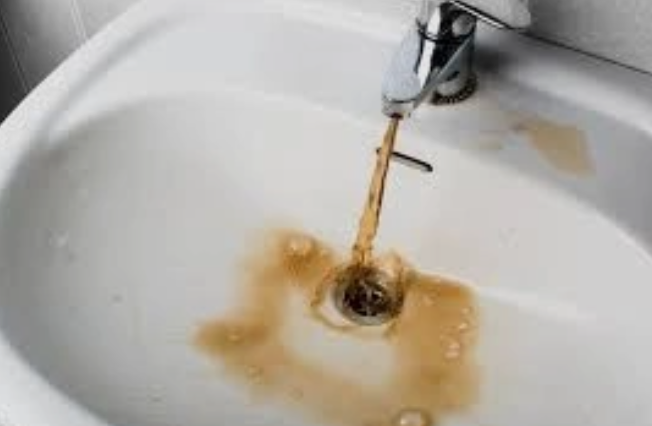
Discolored water may indicate contamination.
Sudden changes in water pressure can also signal system problems.
If irrigation systems behave inconsistently, it may indicate a pressure imbalance.
Importance of Backflow Prevention Maintenance
Regular maintenance helps ensure backflow devices function correctly.
Devices should be inspected and tested periodically.
Valves and connections must remain in good working condition.
Seasonal checks help ensure systems are ready for peak usage periods.
Neglecting maintenance can increase contamination risks.
Professional Plumbing Services
Brown Plumbing & Heating provides backflow prevention testing, irrigation system inspections, and exterior plumbing maintenance throughout Billings and Laurel.
Their team helps ensure water systems remain safe, clean, and compliant.
Conclusion
Exterior plumbing systems play a critical role in preventing backflow contamination. Proper installation, maintenance, and inspection help protect your home’s water supply and ensure safe drinking water.
Regular attention to these systems helps reduce risks and maintain long-term plumbing safety.
Read Next: How Exterior Plumbing Systems Help Protect Irrigation Efficiency