Why Outdoor Hose Connections Can Cause Plumbing Issues
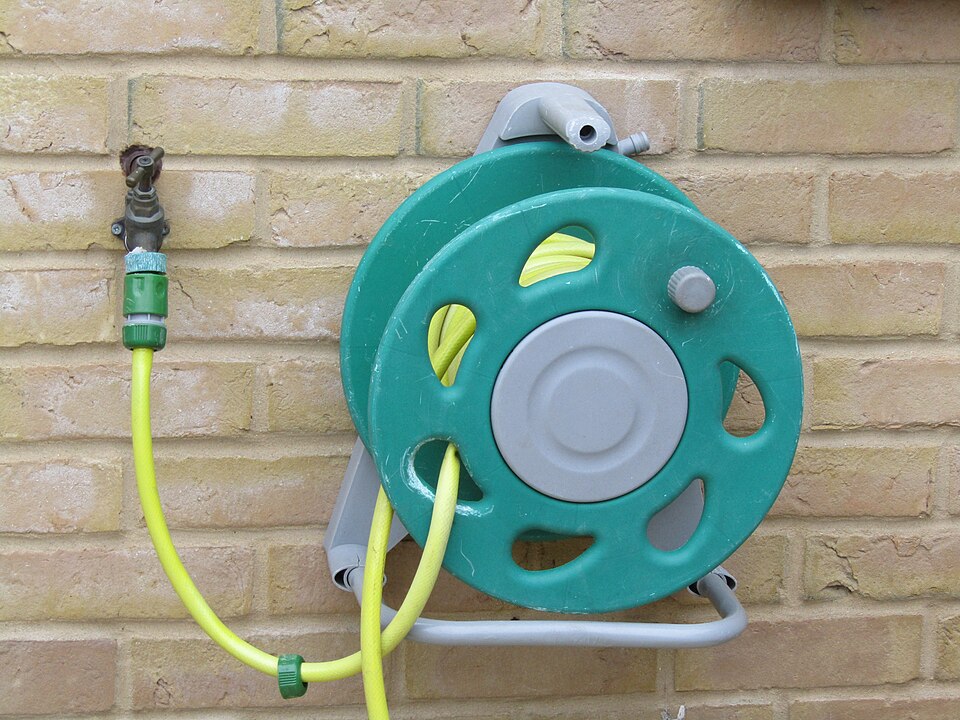
Outdoor hose connections are used often, but they can also create unexpected plumbing problems. Many homeowners overlook these connections, which can lead to leaks and water damage over time.
Understanding how hose connections affect your plumbing system can help you prevent issues before they start.
Common Problems With Hose Connections
Leaks are one of the most common problems. A worn washer or loose connection can allow water to escape. Even a small leak can waste water and increase your bill.
Cross-threading is another issue. If the hose is not attached properly, it can damage the threads on the faucet. This can make it difficult to create a secure seal.
Backflow can also occur if the system is not protected. This allows contaminated water to enter your clean water supply.
How Hose Connections Affect Plumbing
Hose connections are directly linked to your plumbing system. If there is a problem at the connection point, it can affect water pressure and flow.
Leaks at the connection can also lead to water pooling near your home. Over time, this can affect the foundation and underground pipes.
Preventing Hose Connection Issues
Regular inspection is key. Check hoses and connections for leaks, cracks, or wear. Replace damaged washers to maintain a tight seal.
Avoid over-tightening connections, as this can damage threads. Use proper fittings to ensure a secure connection.
Installing a backflow prevention device adds an extra layer of protection.
Professional Plumbing Support
If you experience ongoing issues, a plumber can help. Brown Plumbing & Heating provides services in Billings and Laurel to address hose connection problems and protect your plumbing system.
Conclusion
Outdoor hose connections may seem simple, but they can cause plumbing issues if not maintained. Regular care and proper installation help prevent leaks and protect your system.
Read Next: How to Prevent Burst Outdoor Pipes in Cold Weather