How Exterior Plumbing Systems Help Prevent Pipe Corrosion
Pipe corrosion is a slow but serious plumbing problem that can damage both exterior and underground water lines. Over time, corrosion weakens pipes, reduces water quality, and increases the risk of leaks. Exterior plumbing systems play an important role in slowing this process and protecting your home’s water supply.
For homeowners in Billings and Laurel, understanding corrosion prevention can help extend the life of their plumbing system and reduce repair costs.
What Pipe Corrosion Is
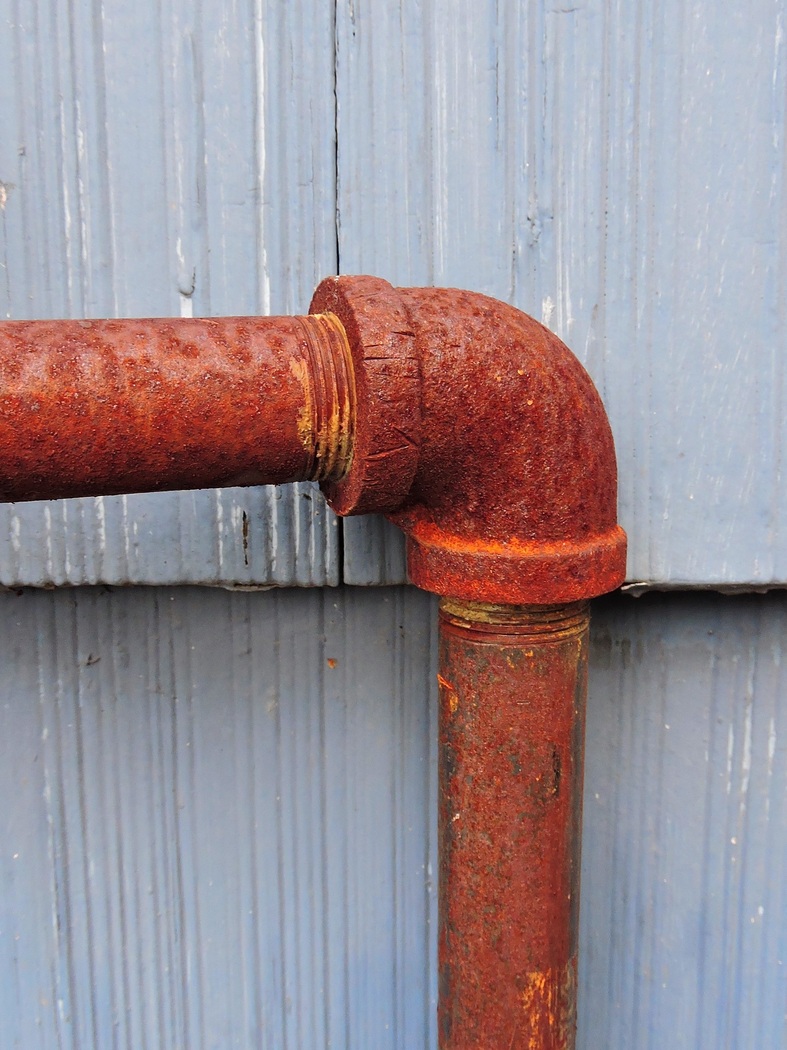
Pipe corrosion happens when metal pipes slowly break down due to chemical reactions with water, oxygen, and soil conditions.
This process can weaken the inside and outside of pipes over time.
Corrosion is more common in older plumbing systems, but it can also affect newer systems if conditions are not properly managed.
Why Exterior Plumbing Systems Are at Risk
Exterior plumbing systems are exposed to more environmental factors than indoor plumbing.
Moist soil can increase corrosion rates around underground pipes.
Temperature changes can also speed up material breakdown.
Chemical exposure in soil or water can further contribute to corrosion.
These conditions make exterior systems more vulnerable over time.
Common Causes of Pipe Corrosion
Several factors contribute to corrosion in plumbing systems.
High moisture levels in soil can accelerate metal breakdown.
Poor water quality with high mineral content may increase internal corrosion.
Damaged pipe coatings expose metal surfaces to direct contact with moisture.
Stray electrical currents in the ground can also speed up corrosion in some cases.
Signs of Corroded Pipes
There are several warning signs homeowners should watch for.
Discolored water, especially rust or brown tint, is a common indicator.
Reduced water pressure may suggest internal pipe buildup.
Frequent leaks or pinhole leaks often point to corrosion damage.
Unusual metallic taste in water can also be a sign of deterioration.
How Exterior Plumbing Systems Help Prevent Corrosion
Proper system design helps reduce corrosion risk.
Protective pipe coatings help shield metal from moisture and soil contact.
Correct installation depth reduces exposure to temperature swings.
Using corrosion-resistant materials improves long-term durability.
Good drainage systems help prevent standing water around buried pipes.
These steps all work together to extend system life.
Preventing Long-Term Corrosion Damage
Regular maintenance is key to preventing corrosion-related failures.
Routine inspections help identify early signs of wear.
Water testing can reveal chemical imbalances that may affect pipes.
Repairing leaks quickly prevents further damage to surrounding materials.
Upgrading older pipes can reduce long-term corrosion risk.
Importance of Professional Evaluation
Corrosion often develops out of sight, especially in underground lines.
Professional plumbers use inspection tools to assess pipe condition.
Camera inspections and pressure testing can identify hidden damage.
Early detection helps prevent costly excavation and replacements.
Professional Plumbing Services
Brown Plumbing & Heating provides pipe inspections, leak detection, and exterior plumbing repair services in Billings and Laurel.
Their team helps homeowners identify corrosion issues early and protect their plumbing systems.
Conclusion
Exterior plumbing systems are vulnerable to corrosion, but proper installation and maintenance can slow the process significantly. Protecting pipes from moisture, soil conditions, and chemical exposure helps extend system life.
Regular inspections and early repairs are the best way to prevent costly corrosion damage and keep your plumbing system reliable.
Read Next: How Exterior Plumbing Systems Help Prevent Water Hammer Damage