How to Prevent Plumbing Problems When Installing a New Outdoor Irrigation Air Release Valve
A properly functioning irrigation system is essential for maintaining healthy lawns, gardens, and landscaped areas. For homeowners in Billings and Laurel, Montana, outdoor watering systems provide a convenient way to distribute water throughout the property during the growing season.
However, irrigation systems can sometimes experience problems caused by trapped air inside water supply lines. Air pockets may contribute to uneven water distribution, unusual noises, pressure fluctuations, and other performance issues.
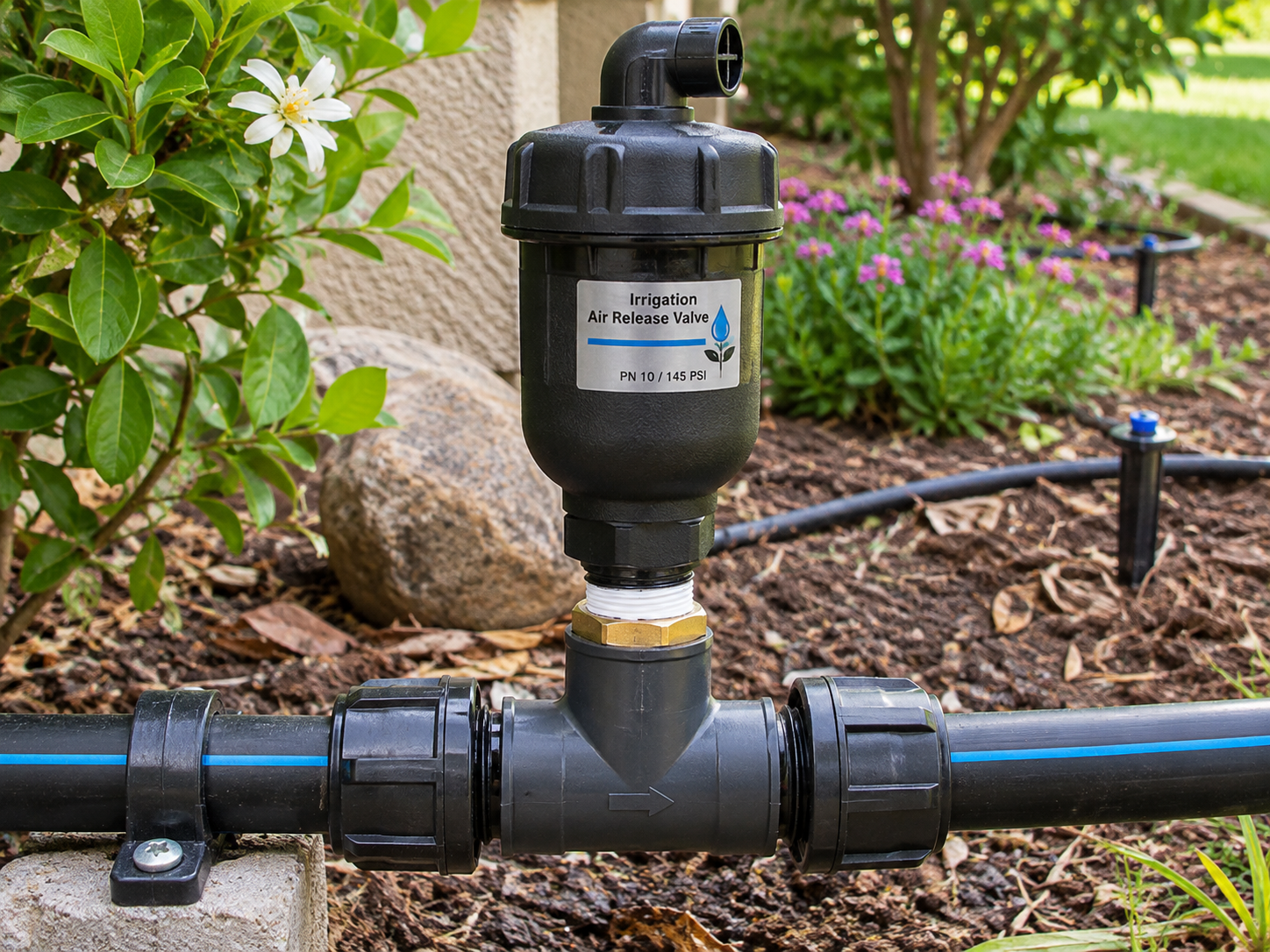
Installing an outdoor irrigation air release valve can help certain irrigation systems manage trapped air and operate more consistently. These specialized valves allow accumulated air to escape from the piping, reducing some of the problems associated with air buildup.
Although an air release valve may appear to be a simple plumbing component, proper selection and installation are important. Incorrect placement, incompatible fittings, improper pressure ratings, and inadequate maintenance can lead to leaks or additional irrigation problems.
Understanding how these valves work and when they are appropriate can help homeowners protect their outdoor plumbing systems.
Brown Plumbing & Heating can help homeowners in Billings and Laurel evaluate outdoor water supply concerns and determine appropriate plumbing solutions for irrigation systems.
Why Air Accumulates Inside Irrigation Pipes
Air can enter an irrigation system in several ways.
When an irrigation system is first installed, its pipes and tubing are initially filled with air. As water enters the system, that air must move through the piping and escape.
Air may also enter when an irrigation system is drained for winter, repaired, or temporarily disconnected from the water supply.
In some systems, changes in pressure can allow air to enter through particular components or connections.
Air can also separate from water under changing pressure conditions.
Once inside the piping, air may collect at high points or locations where the pipe arrangement makes it difficult for air to move downstream.
These air pockets can interfere with normal water movement.
Depending on the system, trapped air may contribute to irregular flow, noise, or pressure fluctuations.
A properly selected air release valve can help remove accumulated air from appropriate sections of the irrigation system.
Understanding How an Irrigation Air Release Valve Works
An irrigation air release valve is designed to allow trapped air to escape from water-filled piping.
Many automatic air release valves use an internal float mechanism.
When air accumulates inside the valve chamber, the float moves downward and allows air to escape through a small opening.
As water replaces the air, the float rises and closes the opening.
This allows the valve to release accumulated air without continuously discharging water during normal operation.
However, not every air valve operates in the same way.
Some devices are designed primarily to release small amounts of accumulated air while the system is pressurized.
Others are designed to release larger volumes of air when pipes are filling.
Certain combination air valves also admit air when a pipeline drains, helping prevent damaging vacuum conditions.
The appropriate valve depends on the piping layout, operating conditions, and intended application.
Homeowners should review the manufacturer’s specifications before selecting a product.
Understand the Different Types of Irrigation Air Valves
Several types of air management valves may be used in irrigation and water distribution systems.
Automatic air release valves are generally designed to release smaller quantities of accumulated air from pressurized piping.
Air and vacuum valves are designed to release larger quantities of air while a pipeline fills and admit air when the pipeline drains or experiences certain vacuum conditions.
Combination air valves incorporate functions associated with both air release and air and vacuum protection.
These different designs serve specific purposes.
A small automatic air release valve should not automatically be considered a substitute for a properly sized air and vacuum valve.
Similarly, a valve designed for filling and draining conditions may not provide the same continuous air release performance as a combination device.
For some residential irrigation systems, additional air management equipment may not be necessary at all.
The correct choice depends on the system’s design and the actual problem being addressed.
Homeowners should avoid purchasing a valve solely because it is labeled for irrigation.
Choose the Correct Valve for Your System
Selecting an appropriate irrigation air release valve requires understanding the system’s operating conditions.
Homeowners should consider water pressure, pipe diameter, expected flow rates, and the locations where air may accumulate.
The valve must be rated for the pressure it will experience.
Some products are designed for low-pressure irrigation systems, while others are intended for larger pressurized water distribution networks.
Installing an undersized or improperly rated valve can create performance problems.
The connection type must also match the intended piping arrangement.
Manufacturers may specify minimum and maximum operating pressures, installation orientations, and discharge requirements.
Review these specifications carefully.
If the irrigation system includes multiple zones with different operating conditions, the air management requirements may vary.
A qualified professional can help determine whether an air release valve is necessary and identify a suitable product.
Identify High Points in the Irrigation System
Air often accumulates at high points in pressurized piping.
For this reason, the elevation and layout of the irrigation system are important considerations when selecting valve locations.
A line that travels uphill and then downhill may create a location where air collects.
Changes in pipe elevation, long supply runs, and certain distribution arrangements can also influence how air moves through the system.
In appropriately designed installations, an air release valve may be positioned near a high point where accumulated air can escape.
However, the highest visible location is not automatically the correct installation point.
The valve must be accessible, suitable for the operating conditions, and installed according to the system design.
Improper placement may prevent the valve from performing effectively.
For more complicated irrigation arrangements, a professional evaluation may help identify appropriate air management locations.
Install the Valve in the Correct Orientation
Many automatic irrigation air release valves are designed to operate in an upright position.
This allows the internal float mechanism to move as intended.
Installing a valve sideways or upside down may interfere with its operation.
Before installation, review the manufacturer’s orientation requirements.
Some valves have a clearly defined vertical installation position.
The piping arrangement may require a properly supported branch connection to accommodate the valve.
Avoid forcing the valve into an unsuitable location.
The connection should not place unnecessary mechanical stress on the housing.
If a valve includes a protective cover or vent opening, it should be positioned according to the manufacturer’s instructions.
Correct orientation is essential for reliable operation.
Use Compatible Plumbing Fittings
Air release valves connect to irrigation piping through threaded or other approved connections.
Using incompatible fittings can cause leaks, damaged threads, or connection failures.
Before installing the valve, verify its connection size and thread type.
Some valves use plastic housings that can crack when fittings are overtightened.
Others may have metal connections requiring specific assembly methods.
Follow the manufacturer’s instructions for thread sealing and installation.
Avoid applying excessive sealing tape or compound.
Some fittings require sealing washers or other components instead of conventional thread sealant.
The valve should also be properly supported.
A heavy valve assembly should not place excessive stress on small-diameter irrigation tubing.
After installation, inspect the connection for leaks under normal operating conditions.
Correct assembly helps protect the system from unnecessary water loss.
Consider Water Pressure and Operating Conditions
An irrigation air release valve must operate within its specified pressure range.
Excessive pressure can damage components or interfere with proper sealing.
Some valves also require a minimum pressure to remain closed during normal operation.
If the system operates below that threshold, the valve may discharge water or fail to function correctly.
Before installation, evaluate the pressure available at the proposed location.
Remember that water pressure can change when irrigation zones start and stop.
Pressure may also vary across a property because of elevation changes and friction losses.
A valve suitable for one section of the irrigation system may not be appropriate for another.
Homeowners should avoid assuming that an air release valve will correct every water pressure problem.
Low pressure can also result from undersized piping, clogged filters, damaged valves, or excessive irrigation demand.
A proper evaluation helps identify whether trapped air is actually contributing to the problem.
Protect the Valve From Dirt and Debris
Outdoor irrigation equipment is exposed to soil, dust, moisture, and landscaping debris.
These materials can interfere with certain air release valve mechanisms.
If dirt enters a valve’s vent opening, it may prevent the valve from closing correctly.
Debris inside the irrigation piping may also affect the internal float or sealing components.
Some air release valves include protective covers or screens.
These components should remain in place according to the manufacturer’s instructions.
If the system includes filtration equipment, maintain it properly.
A filter can help reduce suspended particles entering downstream irrigation equipment, although it does not eliminate every potential source of contamination.
Avoid covering the valve opening with soil, mulch, or landscaping materials.
Keeping the valve clean and accessible helps maintain reliable operation.
Provide Appropriate Clearance Around the Valve
Air release valves require space for inspection and maintenance.
A valve installed beneath dense vegetation or inside a cramped enclosure may be difficult to service.
When selecting a location, allow enough room to access the valve and its fittings.
Some models require the housing or cover to be removed for inspection.
The installation should accommodate these maintenance requirements.
If the valve is installed inside an enclosure, follow the manufacturer’s guidance for ventilation, drainage, and clearance.
Avoid placing equipment where discharged air or occasional water could damage sensitive building materials.
The valve’s location should also protect it from accidental impact.
Lawnmowers, gardening tools, and other outdoor equipment can damage exposed plumbing components.
Proper placement helps maintain accessibility while reducing the likelihood of physical damage.
Understand the Importance of Proper Vent Placement
The vent opening is one of the most important parts of an air release valve.
It allows accumulated air to escape.
Depending on the valve design, it may also
Read Next: How to Prevent Plumbing Problems When Installing a New Outdoor Irrigation Flush Valve