How to Prevent Plumbing Problems When Installing a New Outdoor Irrigation Valve Box
A properly maintained irrigation system helps homeowners keep their lawns, gardens, and landscaped areas healthy throughout the growing season. However, many important irrigation components are installed underground, making them difficult to access when repairs or maintenance are needed.
For homeowners in Billings and Laurel, Montana, installing an outdoor irrigation valve box can help protect underground irrigation components while keeping them accessible for inspections, adjustments, and repairs.
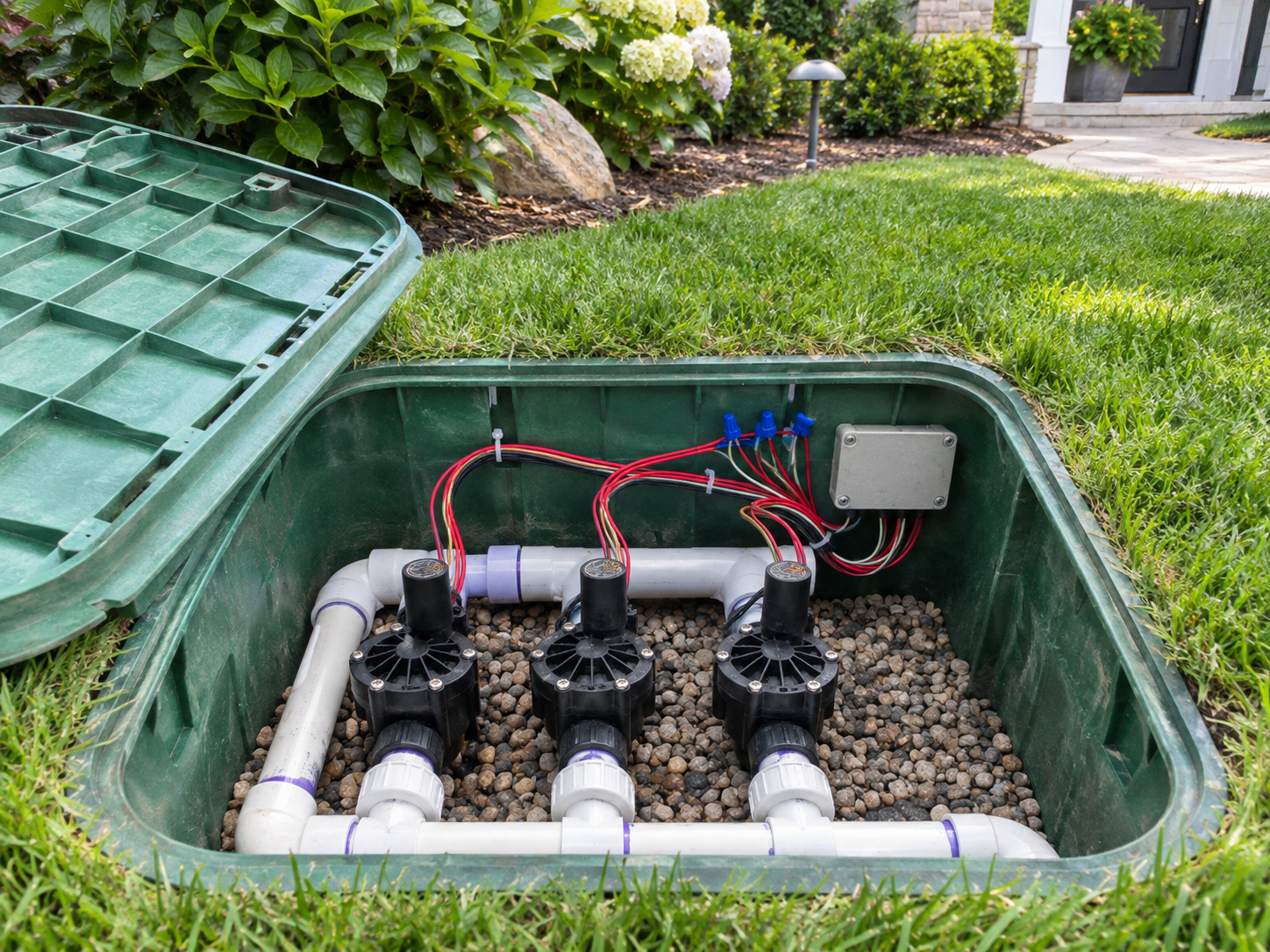
Irrigation valve boxes are commonly used to house sprinkler zone valves, master valves, and other approved components. These protective enclosures provide a designated location for equipment that would otherwise be buried directly beneath the soil.
Although installing a valve box may seem straightforward, incorrect placement, inadequate drainage, improper burial depth, and poorly supported plumbing connections can create maintenance problems and increase the risk of equipment damage.
Understanding how to choose, position, and maintain an irrigation valve box can help homeowners protect their outdoor plumbing systems and avoid unnecessary repairs.
Brown Plumbing & Heating can help homeowners in Billings and Laurel evaluate outdoor water supply concerns and determine appropriate plumbing solutions for irrigation connections.
Why Outdoor Irrigation Valve Boxes Are Important
An irrigation valve box provides a protective enclosure around underground irrigation components.
Many residential sprinkler systems include valves that control water flow to different sections of the property.
These components may require occasional inspection, repair, or replacement.
Without suitable access, maintenance could require digging through soil to locate the equipment.
A properly installed valve box allows homeowners or service professionals to reach these components without unnecessary excavation.
Valve boxes can also help protect equipment from some types of physical damage and soil accumulation.
However, they are not completely sealed environments.
Water, dirt, and debris may still enter depending on the box design and surrounding conditions.
A valve box should therefore be considered an accessible protective enclosure rather than a waterproof container.
Its effectiveness depends on proper installation, suitable placement, and routine maintenance.
Understand the Different Types of Irrigation Valve Boxes
Outdoor irrigation valve boxes are available in various shapes and sizes.
Some are small, round enclosures designed for individual valves or particular access points.
Others are larger rectangular boxes intended to accommodate multiple irrigation valves and fittings.
The appropriate design depends on the equipment being protected.
A small enclosure may be adequate for a single accessible component.
A multi-zone irrigation manifold usually requires more space.
Before purchasing a valve box, homeowners should measure the components that will be installed inside it.
Consider the height, width, and length of the valve assembly.
Additional clearance may be needed for electrical wiring, pipe connections, and future maintenance.
Homeowners should also review the manufacturer’s recommendations regarding burial, loading, and intended use.
Selecting the correct enclosure helps reduce maintenance difficulties and prevents unnecessary modifications after installation.
Choose a Valve Box With Adequate Clearance
One of the most common planning mistakes is selecting an irrigation valve box that is too small.
Although the equipment may physically fit inside the enclosure, there may not be enough room for repairs.
For example, an irrigation zone valve may eventually need a new solenoid or internal component.
If the enclosure is cramped, accessing these parts can become difficult.
Technicians may need to remove surrounding soil or disconnect additional piping simply to reach the damaged component.
A properly sized valve box should provide practical access to the equipment.
Homeowners should consider how the valves will be operated, inspected, and replaced.
The enclosure should allow room for the appropriate tools when maintenance is necessary.
Avoid packing components tightly together simply to reduce the size of the installation.
Planning for accessibility can make future repairs easier and help reduce unnecessary labor.
Select the Best Location on the Property
Valve box placement affects accessibility, drainage, and protection from damage.
The enclosure should be installed where the irrigation equipment can be reached conveniently.
Avoid locations where vehicles or heavy machinery may travel over the box.
A standard residential valve box may not be designed to support vehicle loads.
Repeated pressure from tires or heavy equipment can damage the lid, enclosure, or underground plumbing components.
Homeowners should also avoid placing valve boxes beneath permanent landscaping structures.
A valve box installed under a future patio or large decorative feature may become difficult to access.
Consider how shrubs, tree roots, and other landscaping may grow over time.
The location should remain practical for maintenance throughout the life of the irrigation system.
Proper placement helps protect the equipment while allowing convenient access when service is needed.
Locate Underground Utilities Before Excavation
Installing an irrigation valve box generally involves digging around existing or newly installed water supply piping.
Before excavation, homeowners should identify buried utilities.
Residential properties may contain electrical cables, natural gas lines, communication lines, water supply pipes, and other infrastructure.
In Montana, homeowners should contact Montana 811 before digging to request utility marking.
Certain privately installed lines may require separate locating services.
These can include irrigation piping, landscape lighting cables, and other owner-installed utilities.
Homeowners should not assume that an area is safe for digging simply because it is located within a lawn.
Even shallow excavation can damage buried equipment.
Planning the excavation carefully helps protect existing utilities and reduces the risk of unexpected repairs.
Protect Existing Irrigation Pipes During Installation
When installing a valve box around existing irrigation equipment, excavation should be performed carefully.
Underground pipes may be located close to the valve assembly.
Using excessive force with a shovel can damage plastic piping or threaded connections.
Even small cracks can allow water to leak into the surrounding soil.
Before digging, identify the visible piping arrangement whenever possible.
Remove soil carefully around the existing components.
Avoid pulling on valves or forcing piping out of position to create space for the enclosure.
If a connection appears damaged, repair it before completing the installation.
A valve box should not be used to conceal an existing plumbing problem.
Inspecting the piping while it is exposed can help prevent future excavation.
Prepare the Excavation Properly
The excavation should provide enough room for the valve box and its contents.
The bottom of the excavation should be prepared according to the manufacturer’s instructions.
Uneven soil, large rocks, and construction debris can interfere with proper positioning.
The box should remain stable without placing unnecessary pressure on the piping.
Depending on the installation, a suitable base material may be used to support the enclosure and manage incidental water.
However, drainage arrangements must be appropriate for the site conditions.
A gravel base does not guarantee that water will drain effectively in every type of soil.
For example, an excavation surrounded by poorly draining soil may still collect water.
Homeowners should evaluate the surrounding conditions rather than assuming that adding gravel will solve every drainage concern.
Proper excavation preparation helps maintain a stable and accessible installation.
Install the Valve Box at the Correct Height
The height of the valve box relative to the surrounding landscape is important.
A box installed too high may create an obstacle for lawnmowers or foot traffic.
A box positioned too low may collect soil, grass clippings, and surface runoff.
The appropriate height depends on the enclosure design and surrounding landscaping.
Homeowners should follow the manufacturer’s installation instructions.
The lid should remain accessible and fit securely.
In lawn areas, the finished position should allow routine mowing without striking or damaging the box.
In garden beds, consider whether mulch or additional soil may eventually cover the lid.
Avoid burying the enclosure beneath landscaping materials.
A properly positioned box helps maintain access and reduces the risk of accidental damage.
Avoid Putting Pressure on Plumbing Connections
An irrigation valve box should not force underground pipes into unnatural positions.
If the enclosure is too small or improperly aligned, its walls may press against fittings.
Over time, this pressure can contribute to mechanical stress.
Plastic irrigation fittings may crack if they experience repeated bending or excessive force.
The piping should be properly supported independently of the enclosure where required.
Homeowners should not bend rigid pipes simply to make them fit inside the box.
If the existing plumbing arrangement is unsuitable, modifications may be necessary.
Any changes should use compatible materials and appropriate installation methods.
A properly installed valve box protects the equipment without placing additional strain on the water supply connections.
Consider Drainage Around the Valve Box
Outdoor valve boxes may collect water from rainfall, irrigation runoff, or groundwater.
Some moisture inside the enclosure is not necessarily evidence of a plumbing leak.
However, persistent standing water can make maintenance difficult.
Water may carry sediment and debris into the box.
In some installations, standing water can also contribute to corrosion or deterioration of exposed components.
Before installation, consider whether the proposed location regularly experiences poor drainage.
Avoid low areas where runoff accumulates whenever practical.
Follow the enclosure manufacturer’s recommendations for drainage and base preparation.
Do not direct drainage toward a building foundation or another vulnerable location.
If a valve box fills with water repeatedly, investigate whether the cause involves surface drainage, groundwater, or leaking irrigation piping.
Understanding the source is essential for choosing the appropriate correction.
Keep Electrical Connections Protected From Moisture
Many automatic irrigation systems use electrically operated valves.
These valves may include solenoids connected to an irrigation controller through low-voltage wiring.
Electrical connections are often located inside valve boxes.
Because these enclosures are exposed to outdoor moisture, wiring must be suitable for the installation environment.
Improperly protected connections can corrode.
Corrosion may interrupt the electrical signal and prevent irrigation valves from operating correctly.
Homeowners should use connectors approved for wet or underground irrigation environments, as applicable.
Follow the manufacturer’s instructions for wiring and connection protection.
Avoid leaving exposed conductors or damaged insulation inside the enclosure.
Wiring should also be organized to prevent accidental disconnection during maintenance.
Proper electrical connections help maintain reliable automatic irrigation operation.
Make Sure the Valve Box Lid Fits Securely
The lid is an important part of the enclosure.
It helps protect underground equipment from accidental contact and reduces the amount of debris entering the box.
A damaged or poorly fitted lid can create maintenance and safety concerns.
If the lid shifts or breaks, soil and landscaping debris may accumulate around the valves.
An open enclosure may also create a trip hazard.
Before completing installation, verify that the lid fits securely and operates as intended.
Some valve boxes include locking or fastening mechanisms.
These should be used according to the manufacturer’s instructions.
Homeowners should replace cracked or damaged lids with compatible components.
Avoid using improvised covers that are not designed for the enclosure.
A properly fitted lid helps preserve access and protect the equipment.
Protect the Box From Lawn Equipment
Irrigation valve boxes are often installed in lawns or landscaped areas where regular maintenance occurs.
Lawnmowers, trimmers, and other equipment can damage exposed edges or lids.
A box installed too high may be struck repeatedly during mowing.
A damaged lid can expose the valves and electrical connections to additional debris.
Homeowners should inspect the enclosure before mowing or performing other landscaping work.
Avoid placing heavy equipment directly on the lid unless the enclosure is specifically rated for that load.
If the box becomes tilted or shifts upward, investigate the cause.
Soil movement or inadequate support may require correction.
Proper positioning and routine inspection can help reduce accidental damage.
Prevent Tree Roots From Affecting the Installation
Tree roots can create maintenance problems around underground irrigation equipment.
As roots grow, they may enter the space around a valve box or press against its walls.
In some situations, roots can make it difficult to remove the enclosure or access the components.
Large roots may also complicate repairs to nearby piping.
When selecting a valve box location, consider nearby trees and established shrubs.
Avoid unnecessarily disturbing major roots during excavation.
Homeowners should also avoid positioning new irrigation equipment where future root growth is likely to create significant access problems.
If an existing enclosure is surrounded by roots, removal should be approached carefully.
Damaging nearby irrigation piping during root removal can create additional leaks.
Thoughtful placement helps reduce future maintenance difficulties.
Inspect the Valves Before Closing the Box
Installing a new valve box provides an opportunity to inspect the irrigation components it will protect.
Look for damaged fittings, loose connections, and visible signs of leakage.
Check that manual controls remain accessible.
If the system includes automatic zone valves, inspect the solenoids and visible wiring.
Avoid leaving damaged electrical connections inside the enclosure.
Any leaking plumbing fittings should be repaired before the installation is completed.
Homeowners should also confirm that the valve arrangement provides enough clearance for future maintenance.
Correcting problems while the equipment is exposed can reduce the need for additional excavation later.
Test the Irrigation System After Installation
Testing helps confirm that installing the valve box has not damaged or disturbed the irrigation components.
After completing any necessary plumbing work, restore the water supply according to the system’s startup procedure.
Inspect accessible fittings for leaks.
Operate each affected irrigation zone.
Check that the valves open and close correctly.
If a valve fails to operate, inspect the controller settings and accessible connections according to the manufacturer’s instructions.
Look for water escaping around the valve fittings.
If a leak is detected, correct it before completing the backfilling.
After the system has been tested, verify that the enclosure remains properly positioned and the lid can be removed without difficulty.
Testing before finishing the installation helps identify problems while access remains convenient.
Understand What Standing Water Inside the Box Means
Finding water inside an irrigation valve box can be concerning.
However, the presence of water does not automatically indicate that a valve is leaking.
Rainwater, surface runoff, and groundwater can enter underground enclosures.
The important consideration is whether the water is persistent or connected to irrigation operation.
If water appears only while a particular zone operates, a leaking fitting may be responsible.
If the box remains wet during extended periods without irrigation, groundwater or drainage conditions may be contributing.
Homeowners should observe the timing and location of moisture.
Avoid assuming that replacing the valve will correct every wet enclosure.
Identifying the actual source helps prevent unnecessary repairs.
Watch for Signs of Underground Plumbing Leaks
Leaks inside valve boxes may develop because of damaged fittings, worn valve components, or shifting piping.
Some warning signs include water spraying from a connection, continuously wet soil, or unexplained increases in water usage.
A malfunctioning irrigation valve may also allow water to flow when the controller is not calling for irrigation.
If the box fills with water whenever a particular zone activates, the associated piping should be inspected.
Homeowners should shut off the affected supply when appropriate before attempting repairs.
Do not open or disassemble pressurized valve components.
If the cause of the leak is difficult to identify, professional plumbing assistance may be appropriate.
Addressing leaks promptly helps reduce water waste and protect the surrounding landscape.
Understand the Limits of Freeze Protection
An underground irrigation valve box does not automatically protect its contents from freezing.
This is especially important for homeowners in Billings and Laurel.
Montana winters can bring extended periods of freezing temperatures.
Water remaining inside irrigation valves, fittings, and pipes may freeze and expand.
This can cause cracked valve housings and damaged connections.
Although underground enclosures provide some protection from direct exposure, they are not necessarily insulated or heated.
Their ability to protect equipment depends on burial depth, surrounding conditions, and the design of the complete system.
Homeowners should never assume that a valve is freeze-proof simply because it is installed inside a box.
Proper winterization remains essential.
Prepare Irrigation Valve Boxes for Montana Winters
Before winter, homeowners should inspect accessible irrigation components and follow the system’s recommended winterization procedure.
The appropriate method depends on the piping arrangement, valves, backflow prevention equipment, and other components.
Some systems require draining.
Others may require a properly performed compressed-air blowout.
Compressed-air winterization must follow the manufacturer’s specifications and appropriate safety precautions.
Improper procedures can damage irrigation equipment or create injury risks.
Valve boxes should remain accessible during winterization.
Avoid covering the lids with permanent landscaping materials.
Homeowners should also check for damaged lids that could allow excessive debris to enter.
Proper preparation helps protect the valves and connected piping from freezing damage.
Inspect the Valve Box Before Spring Startup
Spring is an important time to inspect outdoor irrigation systems.
Before restoring regular watering, remove accumulated debris from accessible valve boxes.
Check the lid and enclosure for cracks or movement.
Inspect visible piping connections and valve housings.
Look for damaged wiring, loose fittings, and other signs of deterioration.
If the enclosure contains standing water, investigate whether it results from drainage conditions or a plumbing leak.
Restore the irrigation supply using the appropriate startup procedure.
Activate the irrigation zones and verify that the valves operate normally.
Inspect connections for leaks.
A spring inspection can help identify problems before the irrigation system begins regular use.
Maintain Valve Boxes Throughout the Growing Season
Routine maintenance helps preserve access to underground irrigation equipment.
Homeowners should periodically inspect the enclosure and lid.
Remove grass clippings, leaves, and excessive soil buildup.
Check that the lid remains secure and can be opened when necessary.
Avoid allowing landscaping plants to grow over the enclosure.
If the box becomes buried beneath mulch or soil, restore appropriate access.
Monitor the inside of the box for unusual moisture.
Check visible fittings for leaks and damaged components.
Keep wiring organized and protected.
Regular inspections can help identify small issues before they become more expensive plumbing repairs.
Know When Professional Plumbing Assistance Is Appropriate
Installing a protective valve box may be straightforward when the existing irrigation piping and valves are already positioned correctly.
However, some installations require changes to underground water supply connections.
Professional assistance may be appropriate when piping must be relocated, damaged valves need replacement, or the system experiences recurring leaks.
A plumber can help evaluate existing supply connections and determine whether repairs are necessary before installing the enclosure.
If a valve box repeatedly fills with water, professional inspection may help determine whether the problem involves leaking plumbing or surrounding drainage conditions.
Professional assistance may also be appropriate when irrigation modifications affect backflow prevention or household water supply connections.
Brown Plumbing & Heating can help homeowners in Billings and Laurel evaluate outdoor plumbing concerns and determine appropriate repair or installation options.
Keep Your Irrigation Equipment Protected and Accessible
An outdoor irrigation valve box provides a convenient way to protect underground irrigation components while keeping them accessible for maintenance.
When properly selected and installed, an enclosure can help homeowners inspect valves, repair connections, and manage irrigation equipment without unnecessary digging.
However, reliable performance depends on proper placement, adequate clearance, stable installation, and suitable drainage.
Homeowners should also protect underground piping during excavation, use properly rated electrical connections, and test the irrigation system before completing the installation.
For properties in Billings and Laurel, winter preparation is particularly important because valve boxes do not guarantee protection from freezing temperatures.
Routine inspections during the growing season can help identify leaking fittings, damaged lids, and other problems before they become more serious.
With careful planning and ongoing maintenance, an irrigation valve box can support a more accessible and dependable outdoor watering system while helping protect underground plumbing connections.
For homeowners experiencing underground irrigation leaks, damaged valves, unusual water pressure, or other outdoor plumbing concerns, Brown Plumbing & Heating can help evaluate the situation and recommend appropriate solutions.
Read Next: How to Prevent Plumbing Problems When Installing a New Outdoor Irrigation Quick-Coupling Valve